

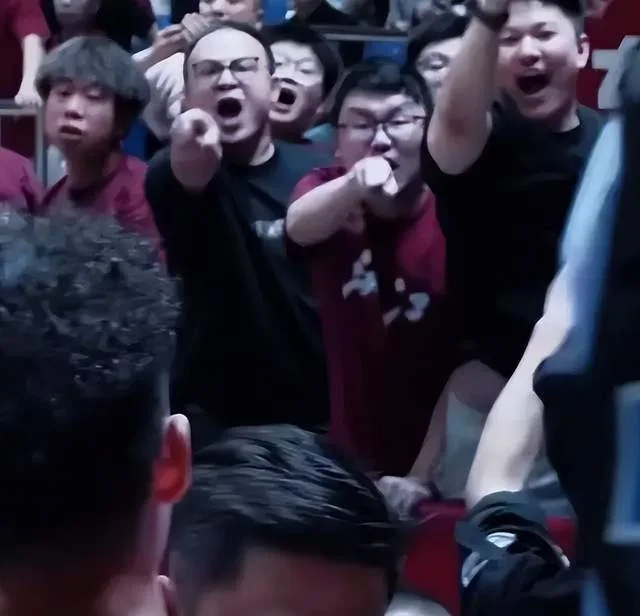
On May 11, Beijing time, the Shenzhen Leopards and Zhejiang Lions met in Game 2 of the CBA playoffs — a must-win for Zhejiang. But from the opening tip, the Lions were overwhelmed, falling behind early and losing both ends of the court, ultimately falling to Shenzhen. The result, however, was overshadowed by ugly scenes off the court.
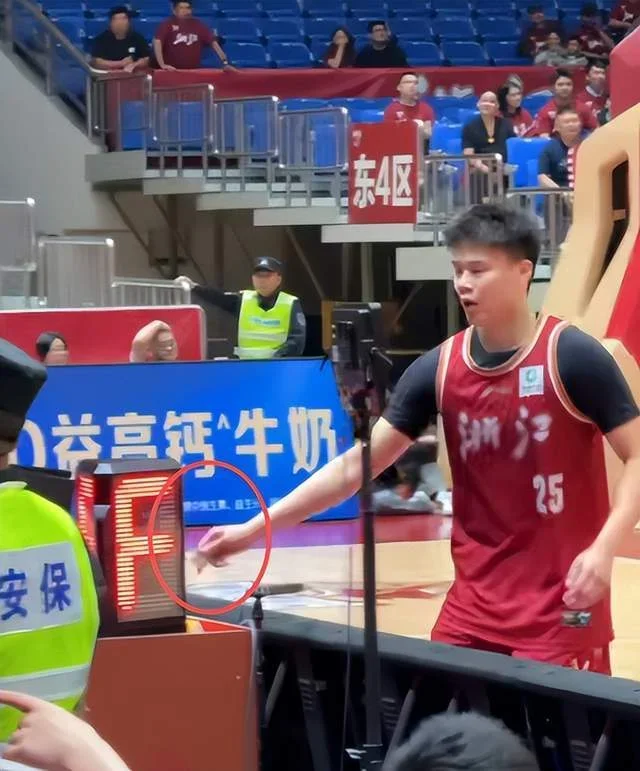
When controversial referee calls drew loud “ref bias” chants from the stands, emotions boiled over. A lighter was thrown onto the court — a direct violation of CBA security rules and a serious breach of venue safety. That a banned item like a lighter could enter a professional arena exposed significant security lapses, going far beyond simple fan frustration.
Even more disturbing: some fans directed vicious personal abuse at Shenzhen player He Xining. Camera footage showed several spectators in close proximity hurling insults with aggressive, hateful language — more akin to a mob attack than a basketball game. Such targeted harassment crosses the line from competitive passion into toxic violence. Sportsmanship demands respect — for opponents, for the rules, and for the game itself. When fan fervor turns to hatred, the essence of basketball is lost.
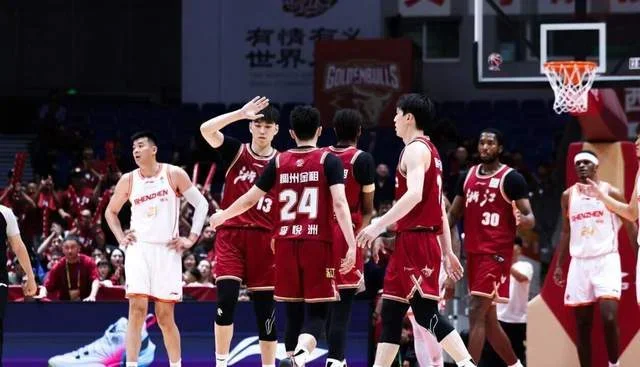
Zhejiang fans are fiercely loyal, craving a win to force Game 3, and that passion should be cherished. But true support doesn’t tear the arena apart with insults, threaten safety with dangerous objects, or subject players to public humiliation. The beauty of sport lies in competitive dignity and grace in defeat. When emotion overrides reason, even the deepest love can become damage.
The CBA league responded swiftly and firmly: Zhejiang Lions lost all season award eligibility and were docked 110,000 RMB from league dividends; club investor Jin Zijun was fined 50,000 RMB and suspended for one game for unauthorized entry into the scorer’s area during play. These penalties are not cold — they defend the foundation of sports order. The owner’s boundary violation and the fans’ loss of control share the same root: disregard for the rules of the game. Professional basketball is not an emotional playground; it requires discipline, restraint, and respect for regulations.
Zhejiang’s loss might be explained by tactics or performance, but fan misconduct cannot be excused by “loving the team too much.” A true champion wins not only on the court but in character. Next season, if Zhejiang wants to return to the top, they must refine not just their roster but their culture — turning the stands into a sea of passion, not a fire of anger.
